
Featured
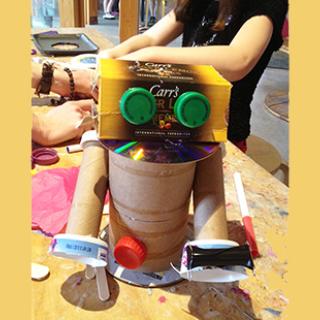
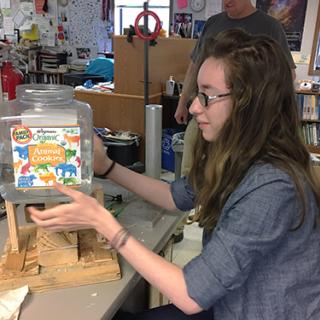
Students Make invention initiative in Ithaca
During the early months of 2013, Xraise approached the educational team at the Sciencenter in Ithaca about the possibility of hosting a new project where guests would have the opportunity to tinker with materials.
Workshop #1 recap: New Industrial and Scientific Opportunities for Structural Materials
Six summer science workshops at CHESS followed a most memorable Users’ Meeting on June 7th when our user community first heard the big news about plans to reconfigure the accelerator and beamlines to use only a single source of particles.
Workshop #2 recap: Biomolecules in Motion
Six summer science workshops at CHESS followed a most memorable Users’ Meeting on June 7th when our user community first heard the big news about plans to reconfigure the accelerator and beamlines to use only a single source of particles.
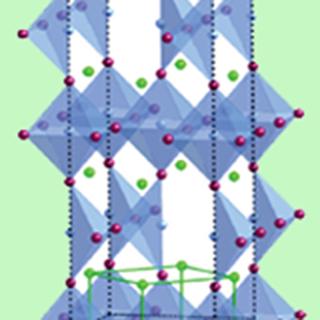
Workshop #3 recap: Synchrotron Resources for Future Investigations of Thin-Film Growth, Processing, and Characterization
Six summer science workshops at CHESS followed a most memorable Users’ Meeting on June 7th when our user community first heard the big news about plans to reconfigure the accelerator and beamlines to use only a single source of particles.
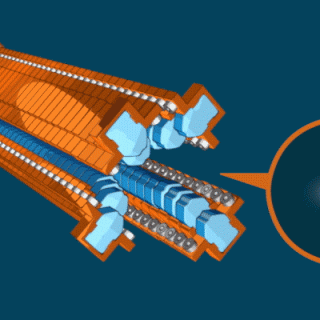
With Spiraling Light, SLAC X-ray Laser Offers New Glimpses of Molecules
New Delta Undulator Helps Scientists Reveal Fast Changes in Matter with Subatomic Detail
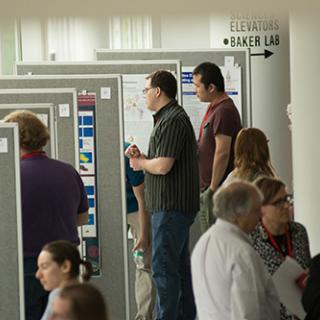
Creating a Brighter Future for CHESS – Users' Meeting 2016
The theme of this year's Users' Meeting, held June 7th at the Physical Sciences Building on the Ithaca campus of Cornell University, was "Creating a Brighter Future for CHESS, Users and Science".
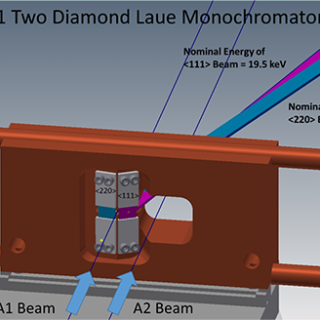
Developing new high-energy x-ray capabilities at the A1 station
The user communities for high energy x-ray capabilities at the A2 and F2 stations have grown considerably in the past few years, easily saturating the beamtime available for powder diffraction, high-dynamic range and high resolution studies at A2 and multiple load-frame structural materials experiments at F2.
Xraise STEPS up their STEM internships
STEP, which stands for Science & Technology Entry Program, was first launched by the New York State Department of Education in 1986.