
Featured
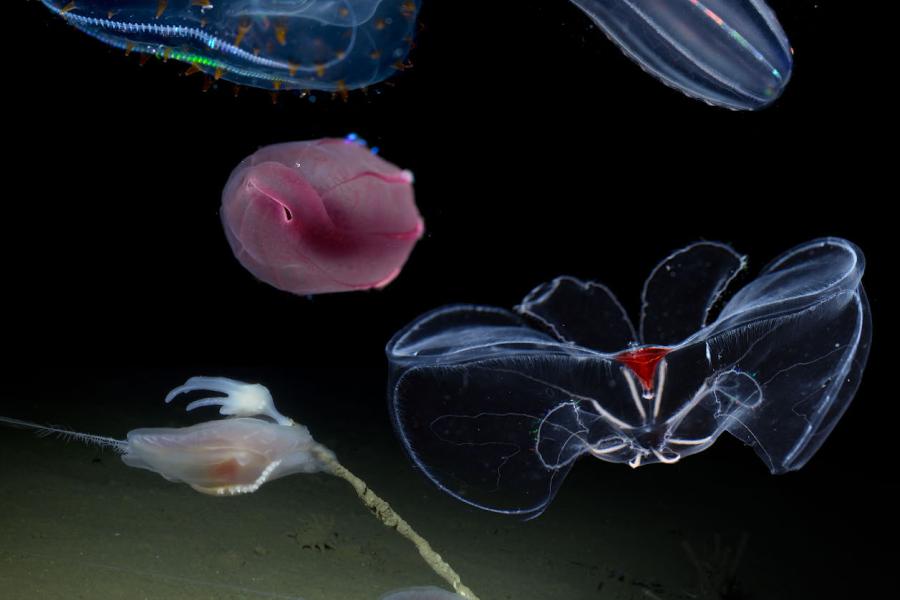

Light-twisting materials created from nano semiconductors
A new technique transforms symmetrical semiconductor particles, producing films with extraordinary light-bending properties.
Spent brewers’ grain could be big business as chicken feed
With the global poultry feed market projected to reach $238.9 billion by the end of 2025, the broiler feed industry could benefit from a nutritionally advantageous ingredient that also happens to be more affordable because it comes from a waste stream.

Chemist Héctor D. Abruña wins Enrico Fermi Award
Héctor D. Abruña, the Émile M. Chamot Professor of Chemistry in the Department of Chemistry and Chemical Biology in the College of Arts and Sciences, will receive the Enrico Fermi Award, one of the oldest and most prestigious science and technology honors bestowed by the U.S. government.
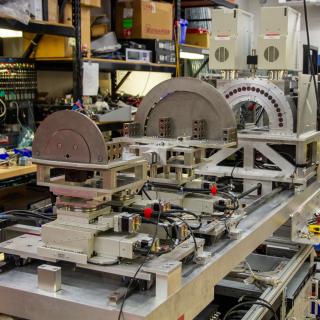
New Detector System Enhances Energy Dispersive Diffraction at CHESS
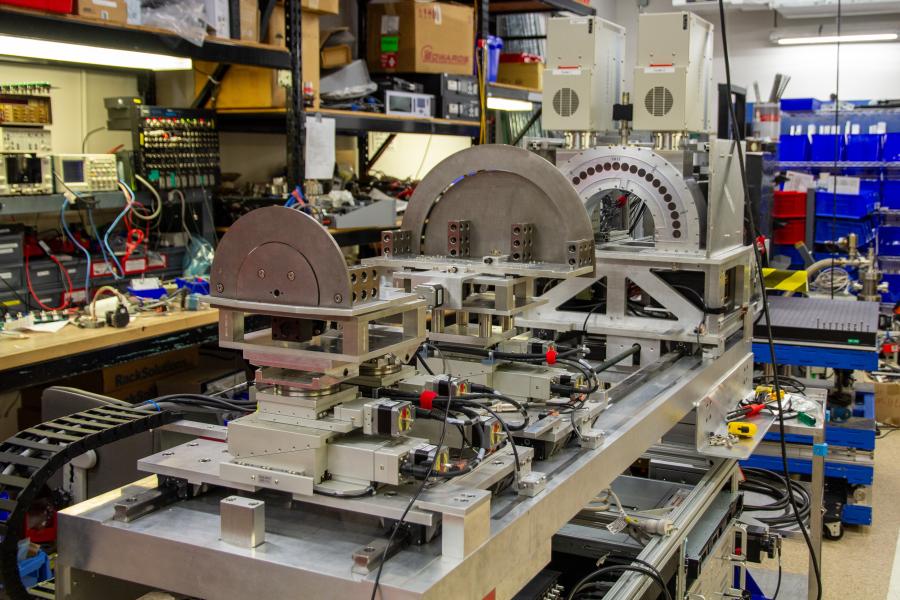
Cornell engineers and research staff have made a significant leap in materials characterization for mechanical engineering with the development of a new Energy Dispersive X-ray Diffraction (EDXRD) detector system at the Cornell High Energy Synchrotron Source (CHESS).
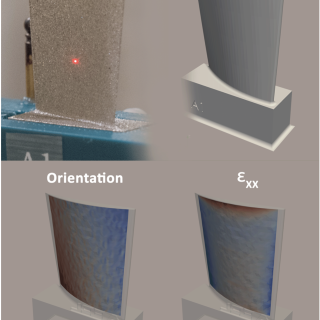
MSN-C matures a technique to map residual strain in complex-shaped, as-manufactured parts
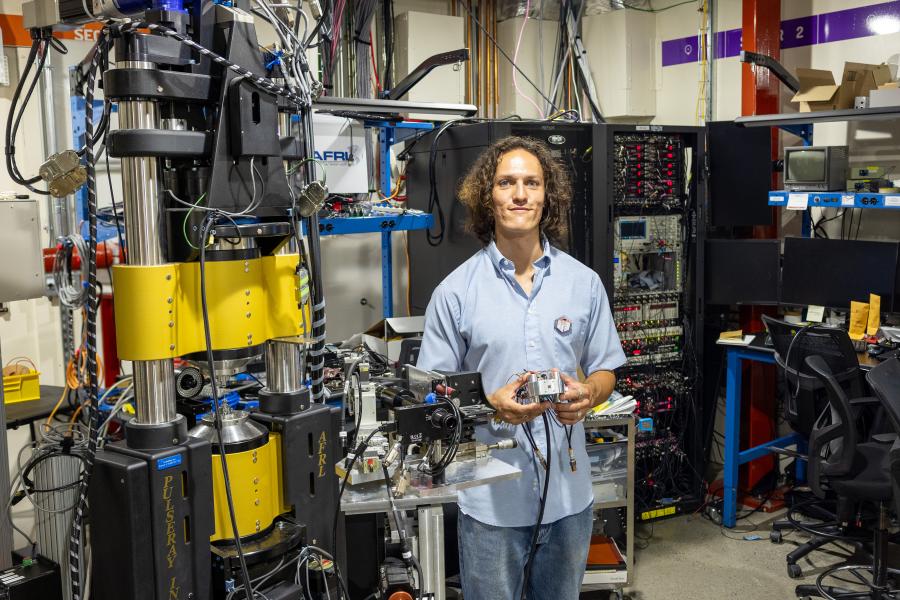
MSN-C has successfully showcased a new, comprehensive workflow to map residual strain on a challenging set of near-net-shape additive manufactured parts. This achievement signals MSN-C's readiness to conduct such measurements for the broad community of academic, government and industry scientists and engineers seeking to understand and control failure in high performance structural components. Routine access to this kind of information now available at MSN-C holds great potential value for both DoD and commercial manufacturing.
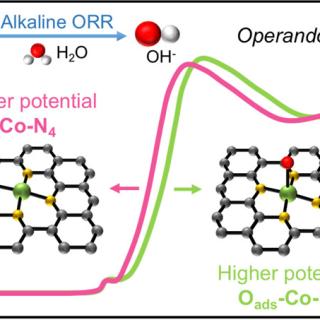
New Oxygen-Reduction Electrocatalysts for Alkaline Fuel Cells
Hydrogen fuel cells are among the most promising next-generation power sources for future automotive transportation. Developing efficient, durable, and low-cost electrocatalysts to accelerate the sluggish oxygen reduction reaction (ORR) is urgently needed to advance fuel cell technologies.

Summer Research Students Explore Cutting-Edge Science
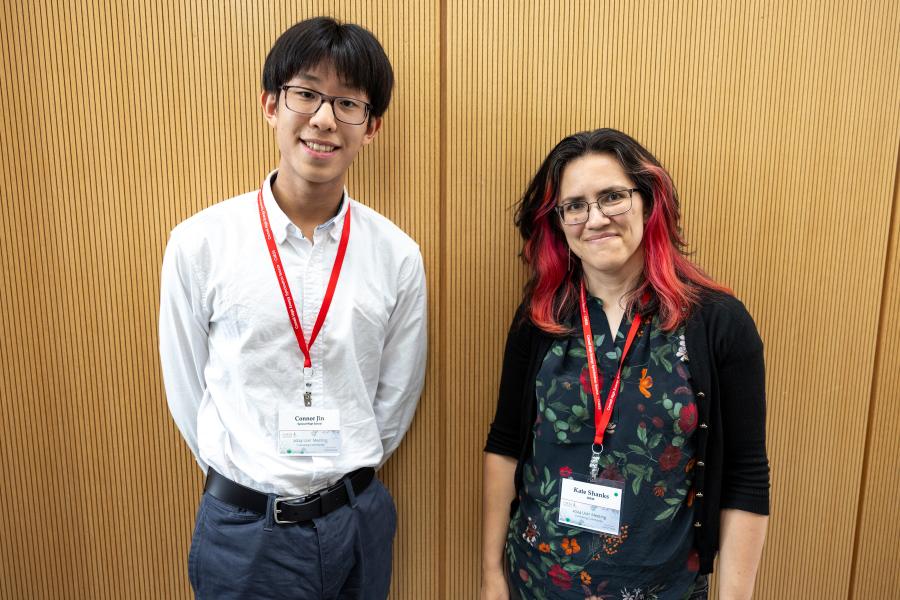
Visiting students from across the country came to Cornell this June to experience life in advanced scientific research and engineering as part of the summer programs hosted by the Cornell Laboratory for Accelerator-based ScienceS and Education (CLASSE) and the Cornell High Energy Synchrotron Source (CHESS).
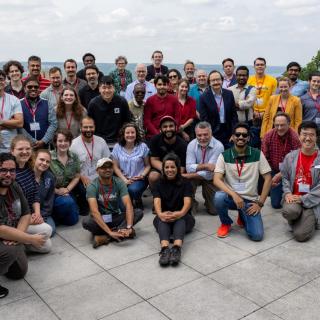
Empowering Researchers with Essential Skills - Successful Debut for X-CITE Workshop at CHESS
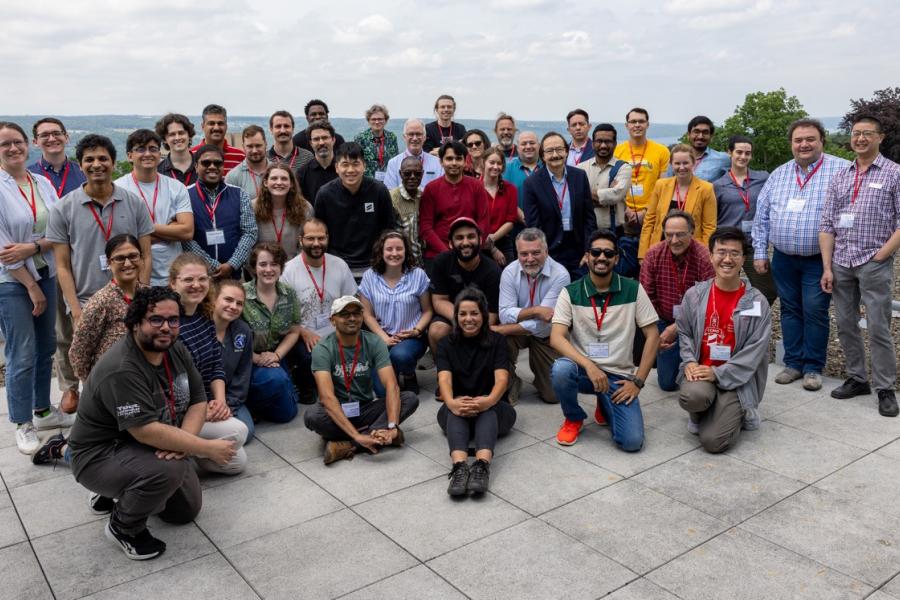
On June 5, 2024, the inaugural Cyberinfrastructure Training and Education for Synchrotron X-ray Science (X-CITE) workshop at CHESS concluded with resounding success, welcoming 63 participants from 15 different institutions and marking a significant milestone in the ongoing effort to enhance cybertraining for CHESS users.