Featured
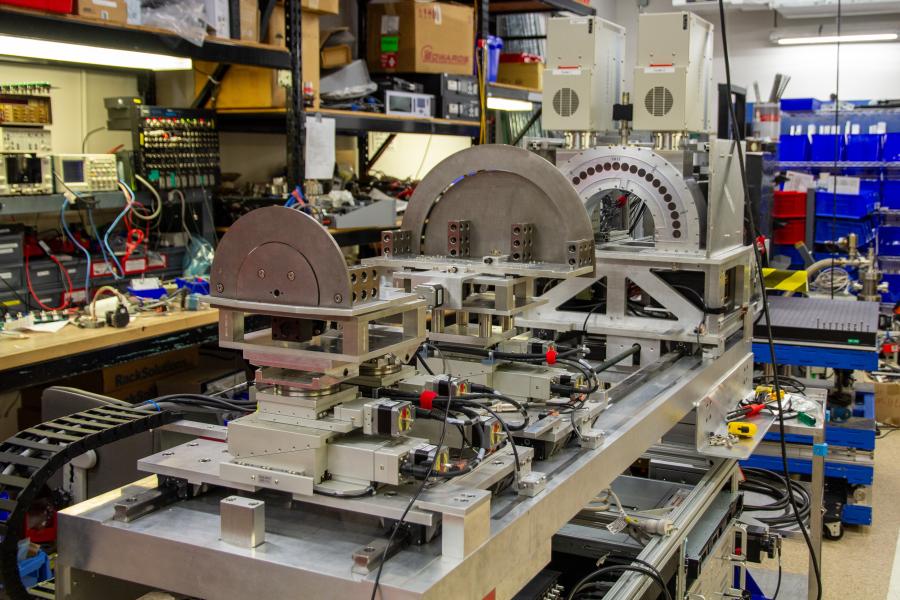
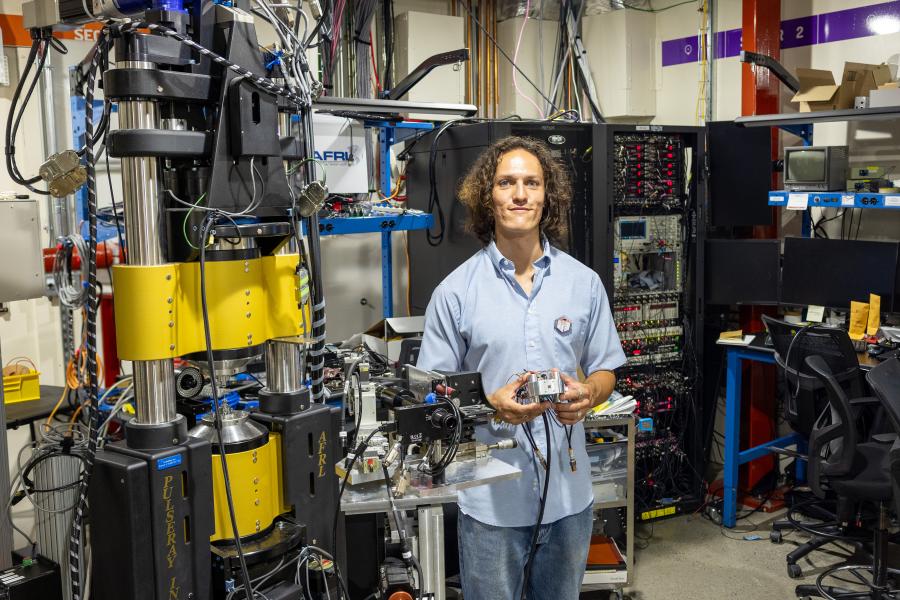
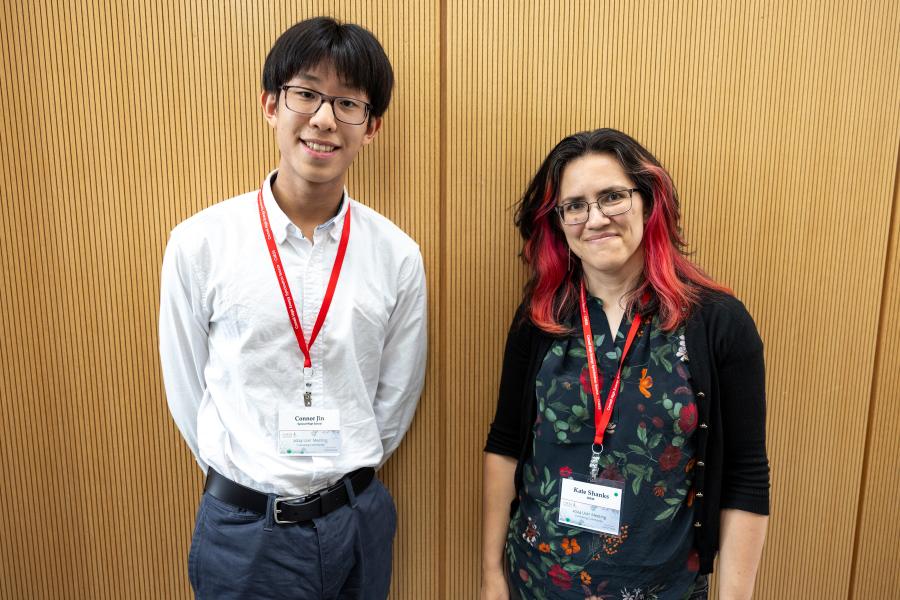
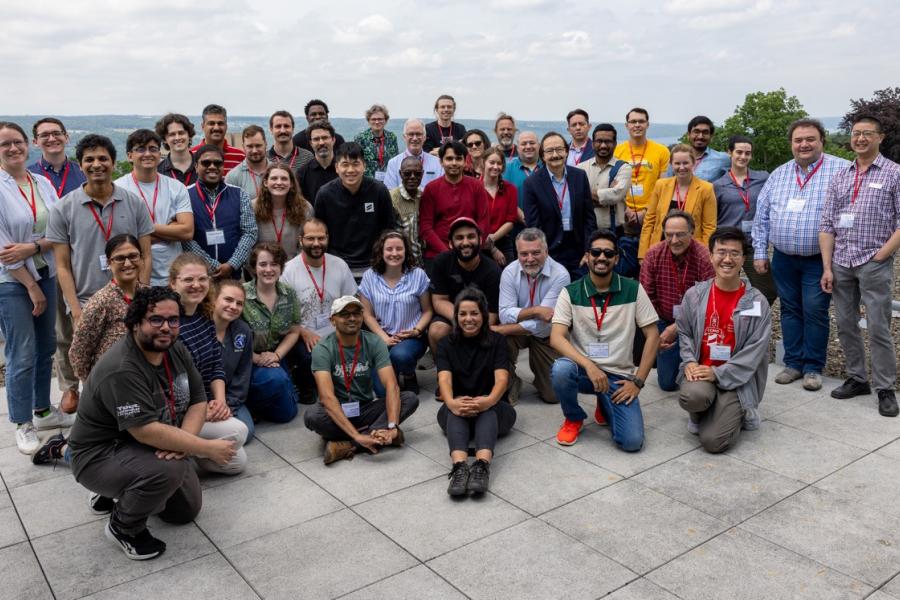
Workshop at CHESS Empowers Students in Synchrotron Techniques
The HEXT workshop empowers students to become productive members of the CHESS user community by combining informative lectures, hands-on demonstrations, and instruction in proposal writing. With its focus on attracting diverse participants and providing practical training, the HEXT workshop sets the stage for a more inclusive and vibrant synchrotron research landscape.
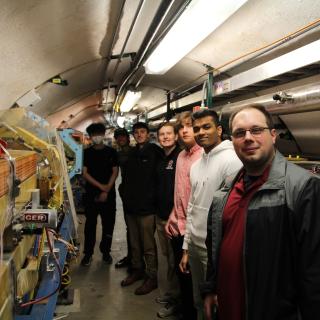
Exploring the Connection between PyMOL and CHESS: Students Learn About Complementary Roles in Structural Biology
Cornell students studying various fields of biological sciences came to CHESS to see this first-hand with their instructor, Kevin Siegenthaler, to learn more about the facility’s relevance to PyMOL. They went on an in depth tour led by Rick Ryan and David Schuller down into the underground storage ring, the sector 7 biological beamlines, and the Wilson Laboratory scientific offices.
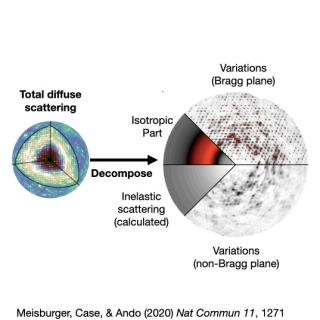
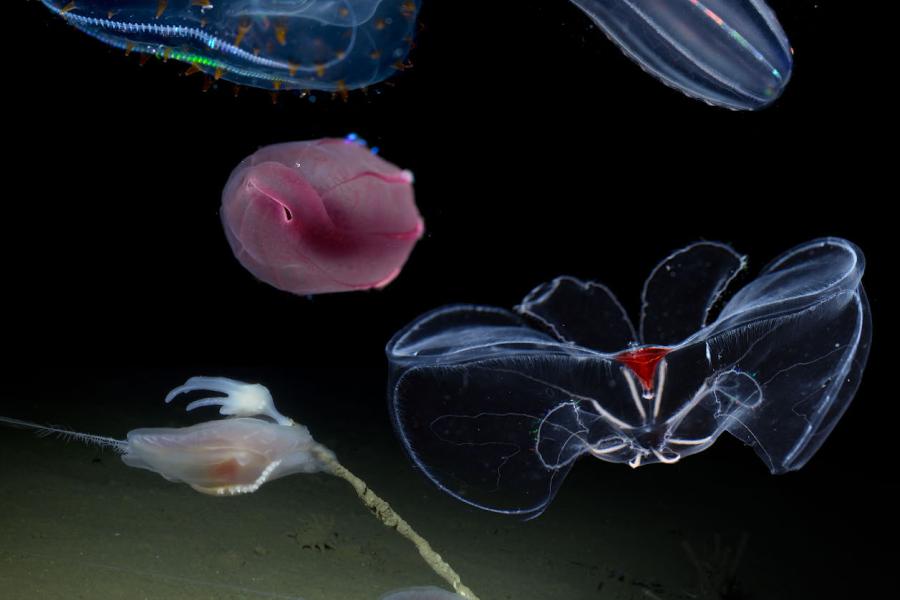
Picking up good vibrations – of proteins – at CHESS
A new method for analyzing protein crystals – developed by Cornell researchers and given a funky two-part name – could open up applications for new drug discovery and other areas of biotechnology and biochemistry.
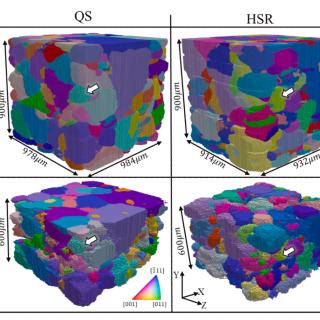
Grain scale residual stress after quasi-static and high strain rate loading in SS316L
New research demonstrates that individual grains within the microstructure of rapidly-strained steels have the potential to have larger magnitudes of residual stress. This residual stress can impact the fatigue performance of structural alloys - in particular, a tensile residual stress can lead to shortened fatigue lives.
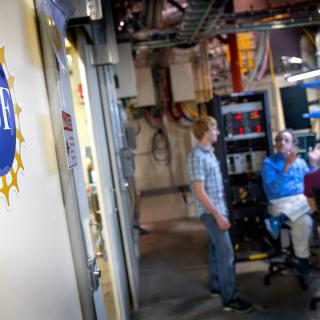
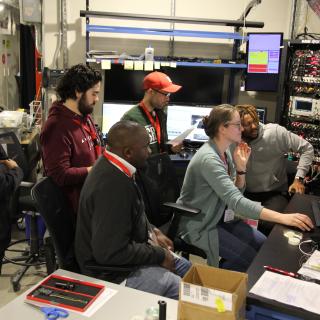
CHESS Holds Town Hall - Extended funding and other updates from around the lab
CHESS staff restarted the Storage Ring last week in preparation for users returning for the spring run, which begins Wednesday, April 26th.
This milestone and other updates were discussed at the CHESS Town Hall on April 12th, an event to inform users of upcoming activities at the X-ray user facility.
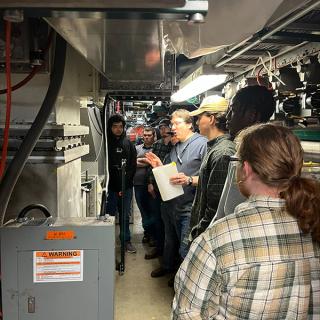
SUNY Delhi students visit Wilson Lab
CHESS recently welcomed a group of 20 students from the SUNY Delhi Society of Manufacturing Engineers club for a tour of Wilson Lab.
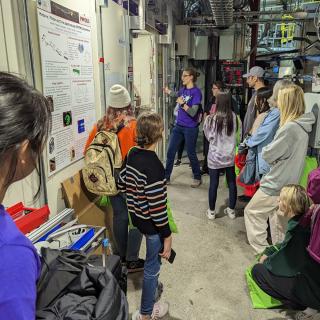
CHESS and CLASSE scientists take part in Expanding Your Horizons 2023
Expanding Your Horizons (EYH) is a one-day conference designed to stimulate participants’ interest in math and science through hands-on activities, provide female scientist role models, and foster awareness of opportunities in math and science-related careers. CLASSE and CHESS have been long-time sponsors and participants in this inspiring program.
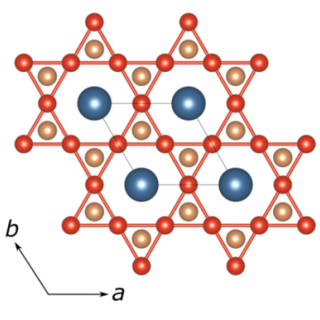
Structural evolution of the kagome superconductors through charge density wave order
A new paper appearing in Physical Review Materials by a team from UCSB, Argonne National Lab, and Cornell, sheds new light on the structural evolution of kagome superconductors during CDW formation.