
Featured
HP Bio workshop at CHESS - MOVED TO MAY 2020
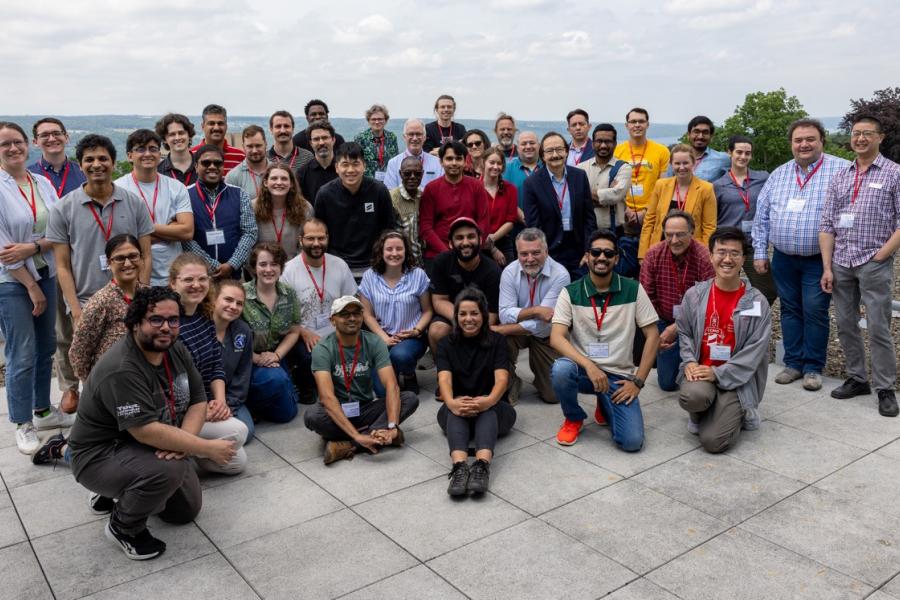
This website is for conference attendees who plan to take the data processing and data collection hands-on sessions. Here you'll find information on software installation, setting up your user account, submitting a beamtime proposal, and transporting your samples.
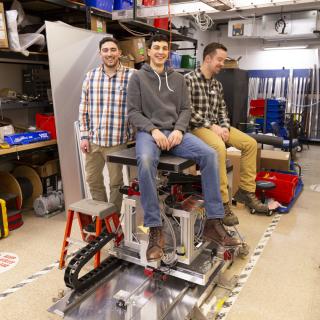
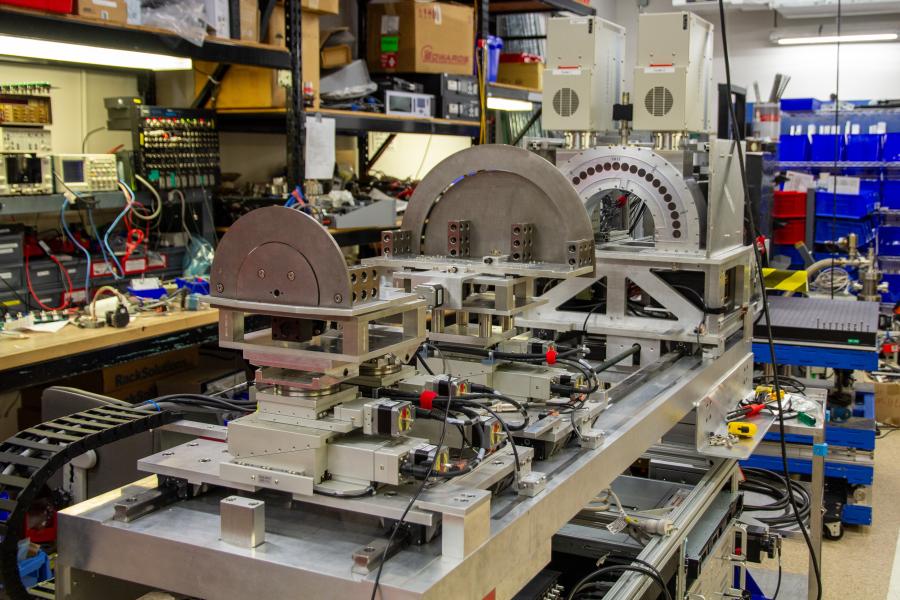
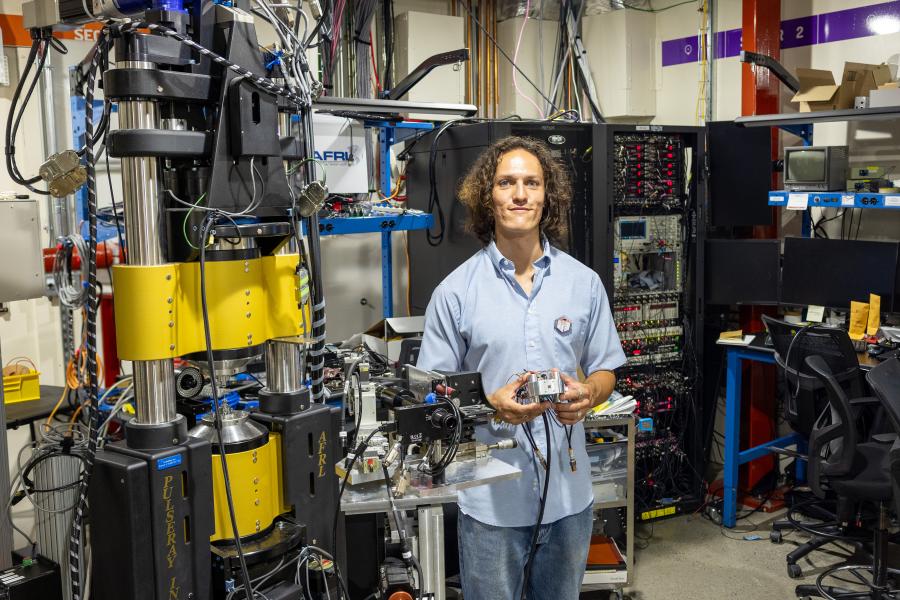
CHESS Provides Mechatronics Experience for Interns
Students from SUNY Delhi took part in a six month internship at CHESS. With funding provided by the Air Force Research Laboratory through the new MSN-C program, the students made important contributions to many different projects while gaining insights on the diverse technology needed to operate and perform experiments at the synchrotron light source.
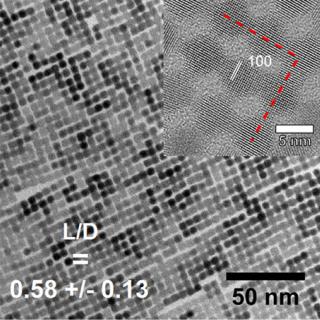
Setting Carriers Free: Healing Faulty Interfaces Promotes Delocalization and Transport in Nanocrystal Solids
"Overcoming the limitations imposed by interfacial defects is therefore an essential next step in the development of high-quality optoelectronic devices based on NC solids."
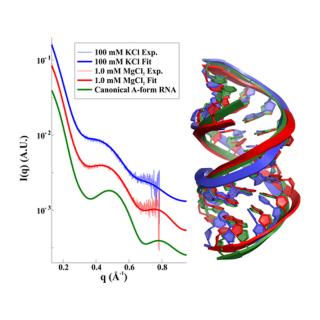
Twisting the Helix: Salt Dependence of Conformations of RNA Duplexes
"Together with DNA and proteins, RNA forms the trinity of macromolecules (large and heavy molecules) essential to all forms of life on earth."
New Faces at the CHESS Users Office
We are excited to announce that Megan Adams and Samantha Zaharis have joined the CHESS User Office. Both Megan and Sam are User Program Managers, working together to manage the user experience.
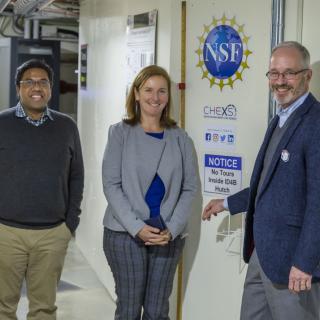
VIP Guests at CHESS
This past month, CHESS welcomed some very special guests to the new experimental hall.
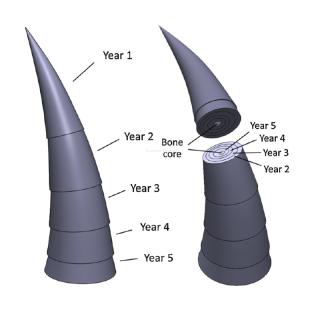
Lead uptake and distribution in horns from goats
"Spatial analysis of horns for lead accumulation may be useful as a qualitative marker of time-resolved exposures that may reflect specific periods of acute lead absorption."
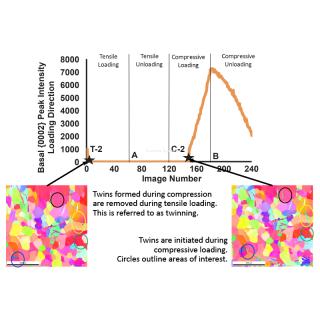
To Twin or Not to Twin: Micromechanical Response in Magnesium probed with High Energy X-Rays
"Reducing the weight of vehicles translates into energy conservation in transportation which is beneficial for economic and environmental reasons."