Home
Home
  • Status
  • Science
    • Conservation Science EASL
    • Biology
    • Chemistry
    • Energy
    • Engineering
    • Materials
    • X-Ray Technology
    • User Stories
    • Science Highlights
    • Publications
  • Users
    • What's the process? - Prospective User Guide
    • User Guide
    • Beamline Directory
    • CHESS Deadlines
    • X-Ray Run Schedule
    • Shipping
    • Safety
      • In-Person User Orientation and Safety Training
    • Travel and Lodging
    • Acknowledgments
    • User Agreement
    • CHESS Status Page
    • Technical Resources
      • Affiliated Resources
      • Calculators
      • Computing
      • Detectors
      • Video Backgrounds
  • Facilities
    • Becoming a Partner
    • CHEXS
    • HMF Beamline
    • MSN-C
    • MacCHESS
      • Crystallography
      • BioSAXS at MacCHESS
      • People
      • Publications
      • S7 chemistry lab
    • XLEAP
      • People of XLEAP
      • XLEAP Overview
      • Proposed Capabilities
      • Stay in touch
  • Public
    • Events
    • Tours
    • Student Opportunities
    • Lending Library
    • 3D and Virtual Tours
  • Industry
  • About
    • Staff Directory
    • Advisory Bodies
    • What we do
    • Job Openings
    • News
      • CHESS eNewsletter
      • Media Resources
      • News Archive
    • Beyond the Lab
    • History
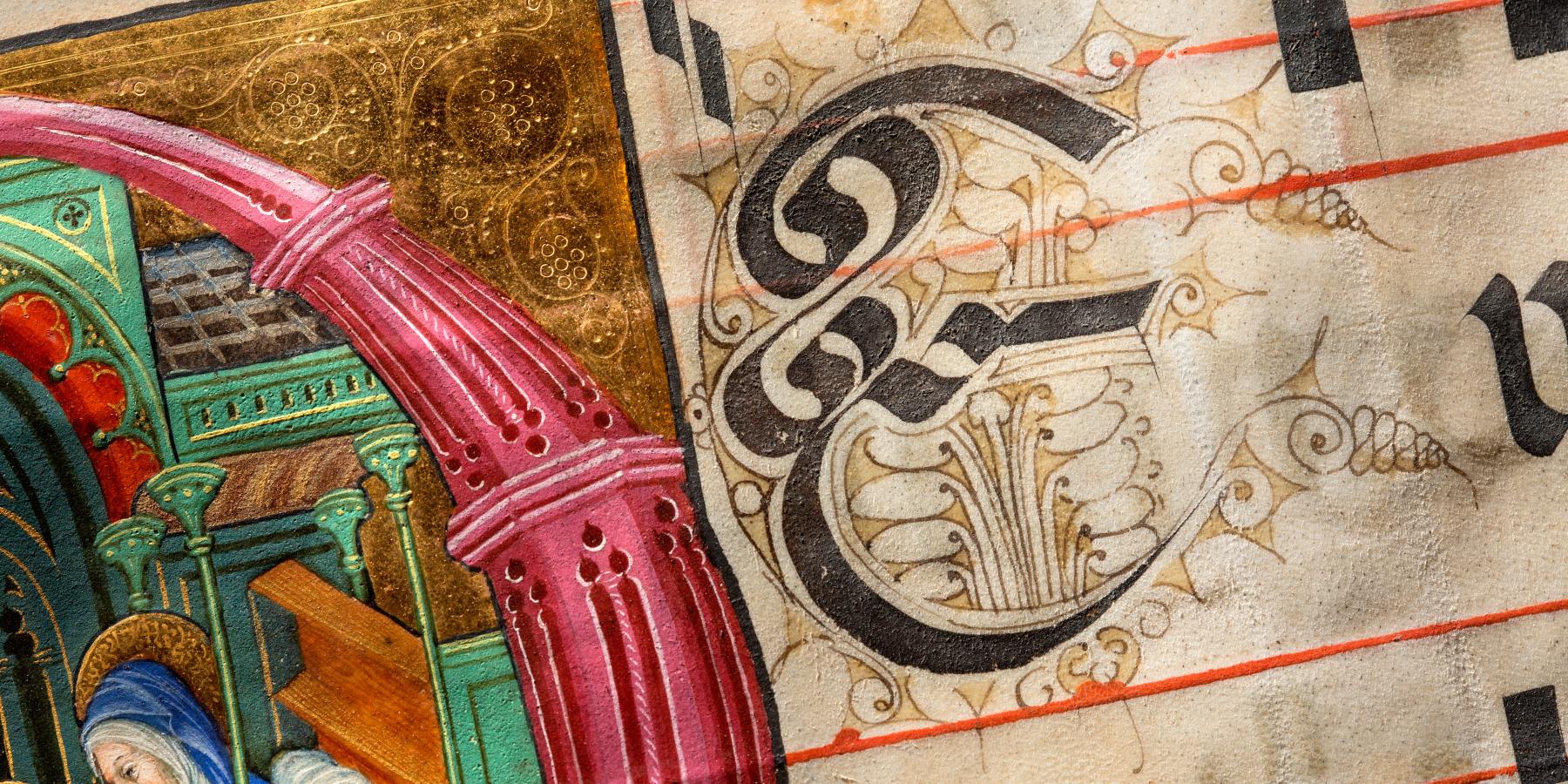
One of the manuscript fragments scanned for chemical composition and trace elements in pigments.

News

Sidebar Menu (View Pages)

  • Status
  • ⌃ Science
    • Conservation Science EASL
    • Biology
    • Chemistry
    • Energy
    • Engineering
    • Materials
    • X-Ray Technology
    • User Stories
    • Science Highlights
    • Publications
  • ⌃ Users
    • What's the process? - Prospective User Guide
    • User Guide
    • Beamline Directory
    • CHESS Deadlines
    • X-Ray Run Schedule
    • Shipping
    • ⌃ Safety
      • In-Person User Orientation and Safety Training
    • Travel and Lodging
    • Acknowledgments
    • User Agreement
    • CHESS Status Page
    • ⌃ Technical Resources
      • Affiliated Resources
      • ⌃ Calculators
        • X-ray Calculations: Angle Converter
        • X-ray Calculations: Darwin Width
        • X-ray Calculations: Energy Analyzer
        • Ion Chamber Flux Calculator
        • Diode Flux Calculator
        • Calculator for absolute flux measurement using XPD100
        • Characteristic emission lines of the elements
      • Computing
      • Detectors
      • Video Backgrounds
  • ⌃ Facilities
    • Becoming a Partner
    • CHEXS
    • HMF Beamline
    • MSN-C
    • ⌃ MacCHESS
      • Crystallography
      • BioSAXS at MacCHESS
      • People
      • Publications
      • S7 chemistry lab
    • ⌃ XLEAP
      • People of XLEAP
      • XLEAP Overview
      • Proposed Capabilities
      • Stay in touch
  • ⌃ Public
    • Events
    • Tours
    • Student Opportunities
    • Lending Library
    • 3D and Virtual Tours
  • Industry
  • ⌃ About
    • Staff Directory
    • Advisory Bodies
    • What we do
    • Job Openings
    • ⌃ News
      • CHESS eNewsletter
      • Media Resources
      • News Archive
    • Beyond the Lab
    • History

Tags

All news
All News
art & archaeology
Arthur Woll
Beyond the Lab
biology
biosaxs
Carl Franck
chemistry
chess-u
CHEXS
D. Marian Szebenyi
Darren C. Pagan
Elke Arenholz
energy
engineering
FAST
FleXx
HMF
Homepage Feature
Jacob Ruff
macchess
materials
Middle School
MSN-C
outreach
Peter Ko
PIPOXS
QM2
science
spotlight
Stanislav Stoupin
x-ray technology
Featured
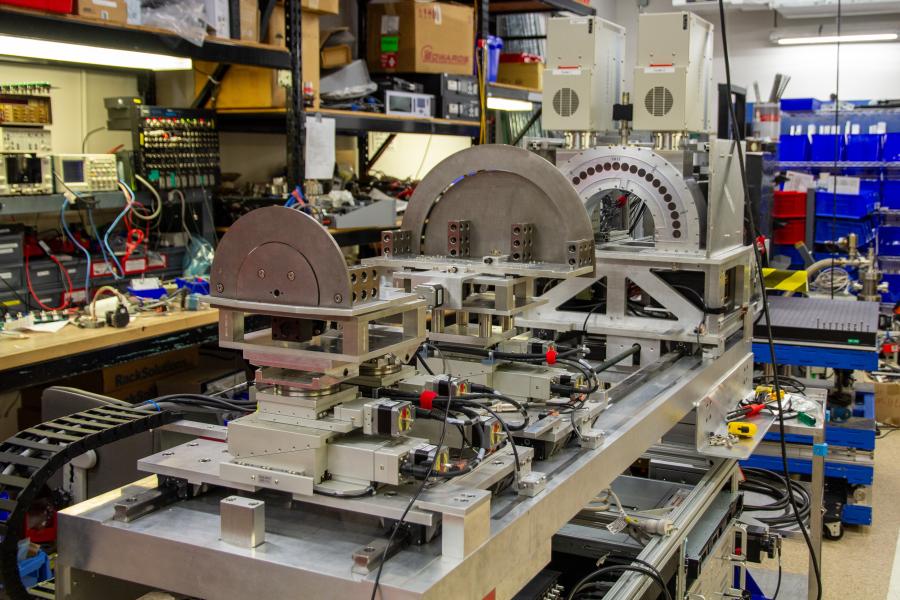
23 EDD Detector System

New Detector System Enhances Energy Dispersive Diffraction at CHESS

November 12, 2024
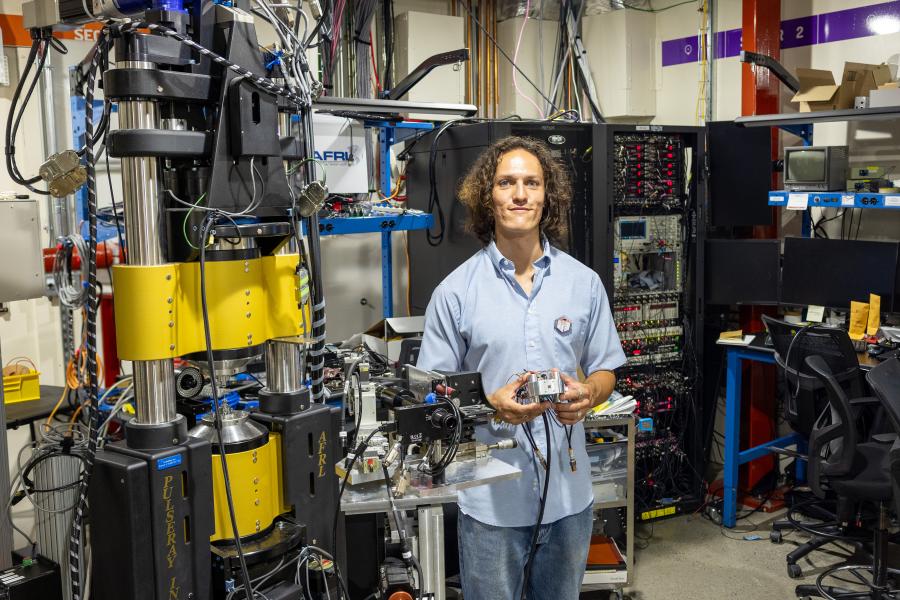
Cornel Belongie at CHESS

Summer Research Students Explore Cutting-Edge Science

August 6, 2024
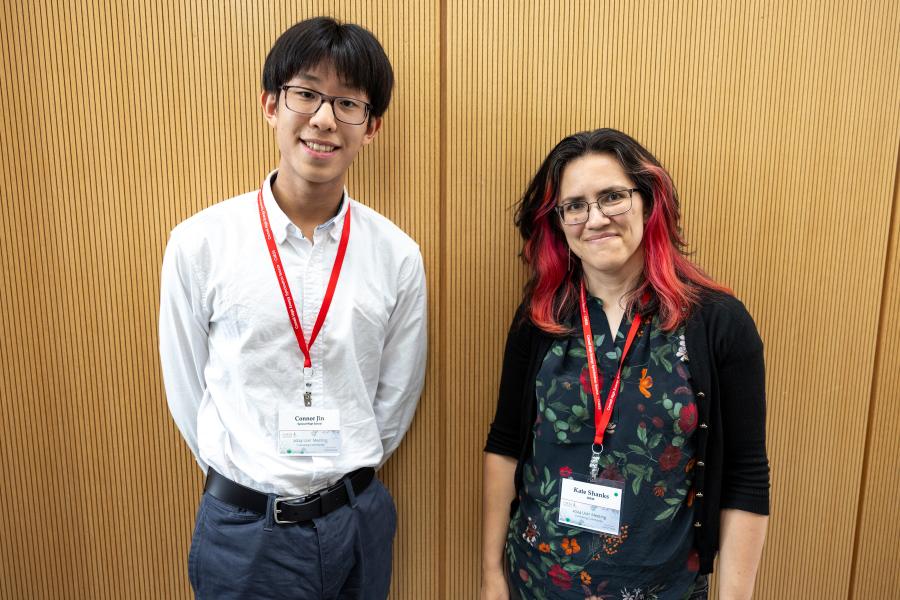
Connor Jin and Kate Shanks

High School Student Uses FAST Data to Program Diffraction Spot Characterization

July 29, 2024
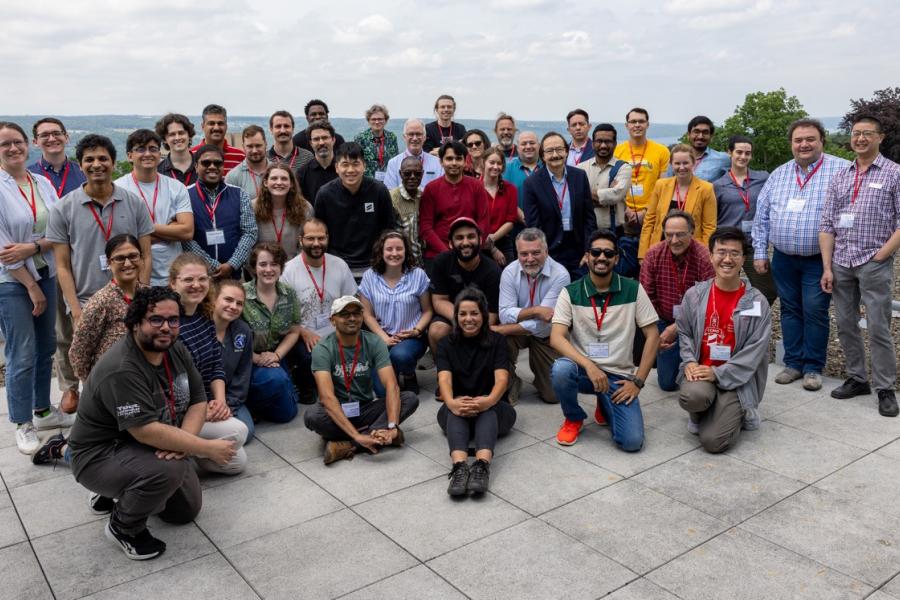
People posing for photo

Empowering Researchers with Essential Skills - Successful Debut for X-CITE Workshop at CHESS

July 29, 2024
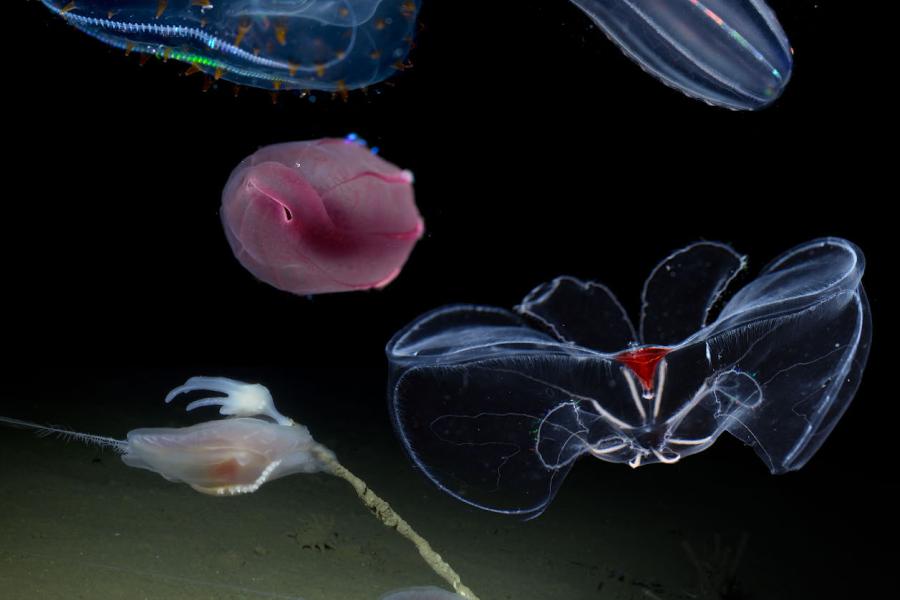
Comb Jellies

Unlocking the Mysteries of Life Under Pressure

June 27, 2024
KEn Finkelstein at CHESS Beamline
Ken Finkelstein Retires after 32 years at CHESS
In February 1988, Ken first arrived at CHESS with his first assignment: to build a wiggler. Since that time, Ken has been instrumental in keeping CHESS at the forefront of X-Ray emission spectroscopy, and that first wiggler (for many years called F line wiggler) is still in the tunnel generating x-rays for Sector 1.  Ken is now retiring, leaving his mark on not only CHESS, but the synchrotron community at large. 
Read More
September 1, 2020
Sam working on Remote software
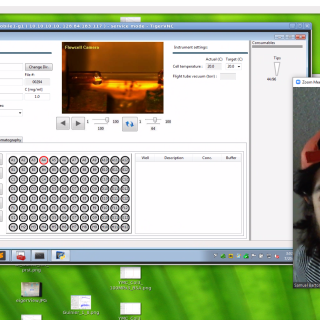
SERCCS Student Highlight: Samuel Barton
“I’m helping build this, but I’m also benefiting from it...the better job I do, the more information I have."
Read More
August 28, 2020
loading a sample for testing
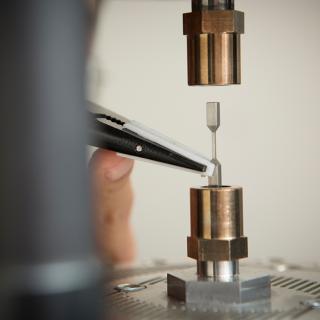
CHESS Awarded Research Advanced by Interdisciplinary Science and Engineering (RAISE) Grant
The collaboration created by RAISE converges structural materials data collected from the FAST and SMB beamlines at CHESS with the new technologies being developed at NSF High Performance Computing sites to create a Science Gateway.
Read More
August 24, 2020
Richard Gillilan at CHESS ACA workshop
ACA Workshop Highlights Practical Application of Small Angle
Richard Gillillan, CHESS Staff Scientist, conducted a SAXS workshop at the ACA conference late last month. Organized by former CHESS postdoc Jesse Hopkins, and now staff scientist at the Advanced Photon Source, students learned about this useful technique and its applications from the people that have written the book on Small Angle X-Ray Scattering.
Read More
August 17, 2020
PREM/SERCCS/SUNRISE presentation at CHESS
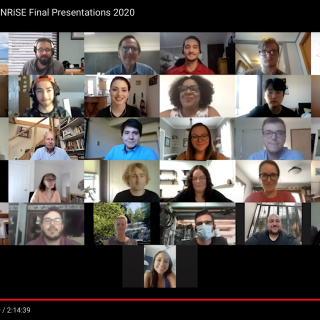
Presentations at the PREM/SUNRISE/SERCCS Symposium August 7 1PM
The SERCCS/PREM/SUNRiSE Summer Students presented their research projects at a virtual Symposium & Poster Session on Friday, August 7th at 1pm. These presentations were the final highlight of the 8- week programs of students working with CHESS mentors. 
Read More
August 17, 2020
Remote Operations at CHESS
Stress Test for Remote Operations at CHESS
On July 31st, all seven CHESS beamlines scheduled for user operation in fall were being fully operated by remote connection - all at the same time - sometimes with 2 people connecting simultaneously to one machine. 
Read More
August 17, 2020
Schematics of bunch patterns
Development of new bunch pattern at CHESS for dynamics studies
The recent upgrade of the storage ring has positioned CHESS as a synchrotron facility that is well-suited for in situ studies of materials dynamics with sub-microsecond temporal resolution.
Read More
August 14, 2020
nickel-based superalloy sample
Unsupervised Learning of Dislocation Motion
Rather than analyze diffraction data with a physics-based X-ray model to try to extract structural information chosen a priori, a team comprised of researchers from CHEXS, Cornell, and NIST used the unsupervised learning technique, locally linear embedding (LLE), to condense X-ray data down to critical microstructural (dislocation configuration) evolution information.
Read More
August 14, 2020

Pagination

  • First page First
  • Previous page Previous
  • …
  • Page 18
  • Page 19
  • Page 20
  • Page 21
  • Current page 22
  • Page 23
  • Page 24
  • Page 25
  • Page 26
  • …
  • Next page Next
  • Last page Last
Subscribe to News Cornell High Energy Synchrotron Source

Footer menu

  • Newsletter
  • CLASSE
  • Contact
  • Staff
  • Feedback
  • Web Accessibility Help
The Cornell High Energy Synchrotron Source (CHESS) is operated and managed by Cornell University.
CHESS/Wilson Lab 161 Synchrotron Drive Ithaca, NY 14853
© 2025 Cornell High Energy Synchrotron Source