
Featured
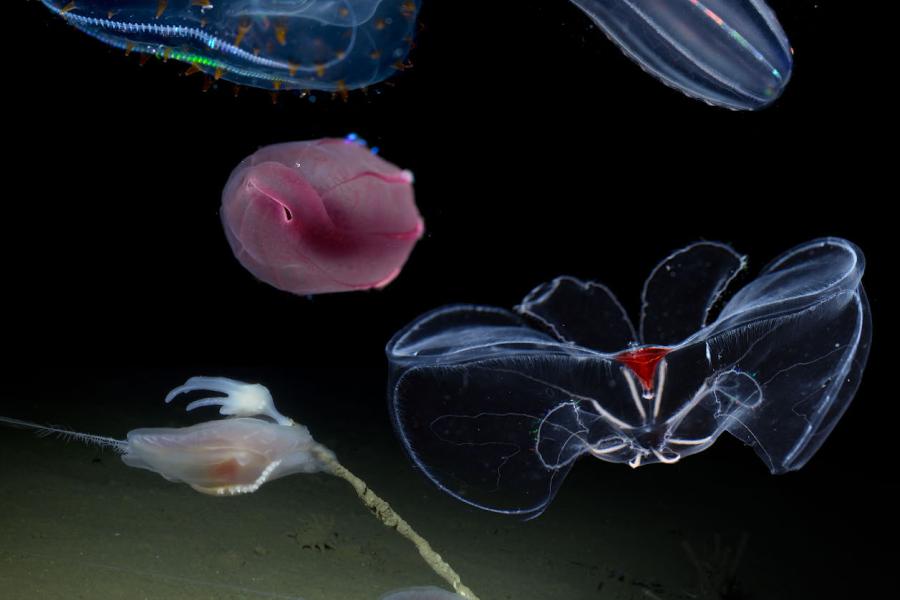
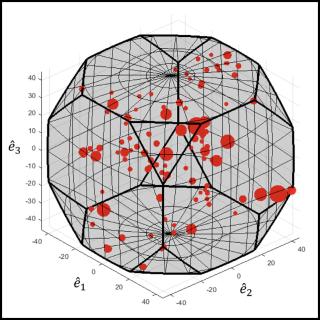
In-situ high energy X-ray diffraction probes elastic response of metastable engineered alloys
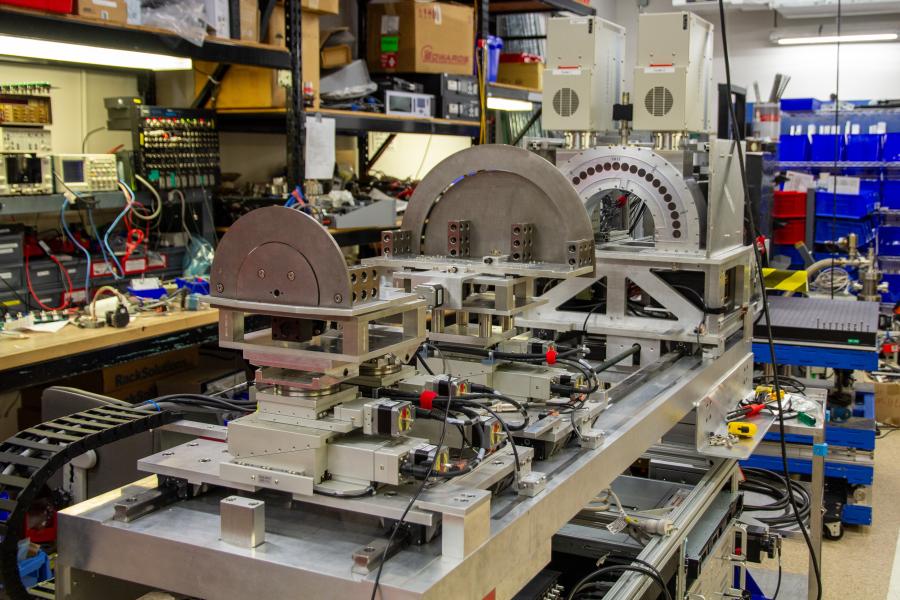
Recent research at CHESS provides a framework by which the single crystal elastic constants of complex alloys can be determined experimentally in a straightforward manner.
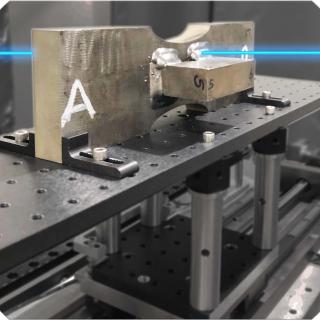
Validation of Welding Model for Digital Twin of Thick-Plate Joint: Mapping Residual Strains in HSLA Steel using High Energy X-rays
The U.S. Navy is seeking to establish digital twin prototypes across the Fleet. A digital twin is a virtual model of a process, product, or service which seeks to pair the virtual and physical world to enable data analysis and system monitoring. A key driver of this digital effort for the materials community is to integrate materials and manufacturing process information with component-level performance and lifecycle analysis. This effort requires accurate material property inputs for simulations, which must be obtained from real materials.
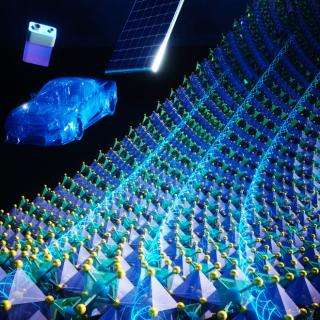
Breakdown of the Small-Polaron Hopping Model in Higher-Order Spinels
The authors present an updated “small-polaron hopping model” to include contributions of decoupled pathways for the flow of electrons in spinel oxides. Their work provides a route for custom-tailoring the properties of oxides used in technologies such as fuel cells, batteries, and solar cells.
CHESS receives $32.6M from NSF for new X-ray beamline
The National Science Foundation has awarded the Cornell High Energy Synchrotron Source (CHESS) $32.6 million to build a High Magnetic Field (HMF) beamline, which will allow researchers to conduct precision X-ray studies of materials in persistent magnetic fields that exceed those available at any other synchrotron.
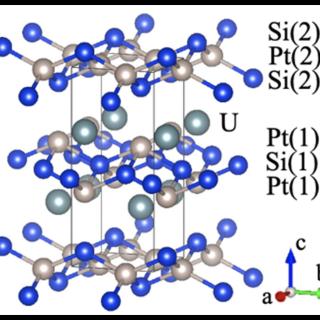
X-rays uncover “hidden” quantum states
Quantum materials research involves manipulating and measuring the collective quantum states of electrons in materials. The NSF-funded user facilities at CHESS and the National High Magnetic Field Laboratory (aka the MagLab) have long been important resources in this pursuit.
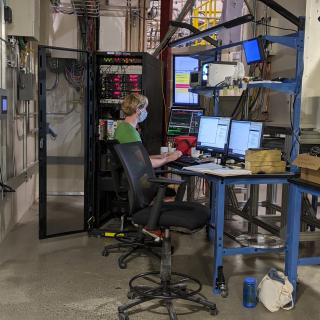
CHESS Restarts for Remote Research
The Cornell High Energy Synchrotron Source, CHESS, has reopened for researchers after a long shutdown due to CoVID-19. Users who typically travel from all over the world to perform research at CHESS are now able to study their samples by logging in remotely from their home institutions.
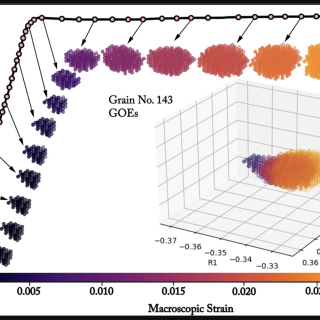
Miller Group Research Featured in Metallurgial and Materials Transactions 50th Anniversary Collection
Metallurgical and Materials Transactions is one of the main international journals in the field of structural materials. The journal invited a set of papers for their 50th anniversary edition, including one from Matthew Miller's group.

September 2020 Message from the Directors
Dear Colleagues,
At Cornell, the fall semester began on September 2nd with a hybrid approach to teaching (in-person and online), robust virus testing, and modifications to the academic calendar allowing students to return home for Thanksgiving and then finish the semester on-line. Cornell provides information on its web site related to COVID-19 and the status Cornell Ithaca campus.