Featured

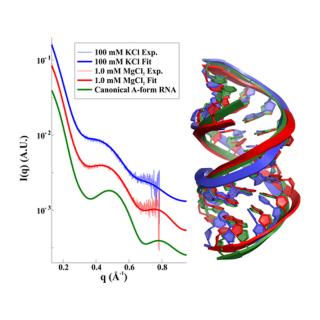
Twisting the Helix: Salt Dependence of Conformations of RNA Duplexes
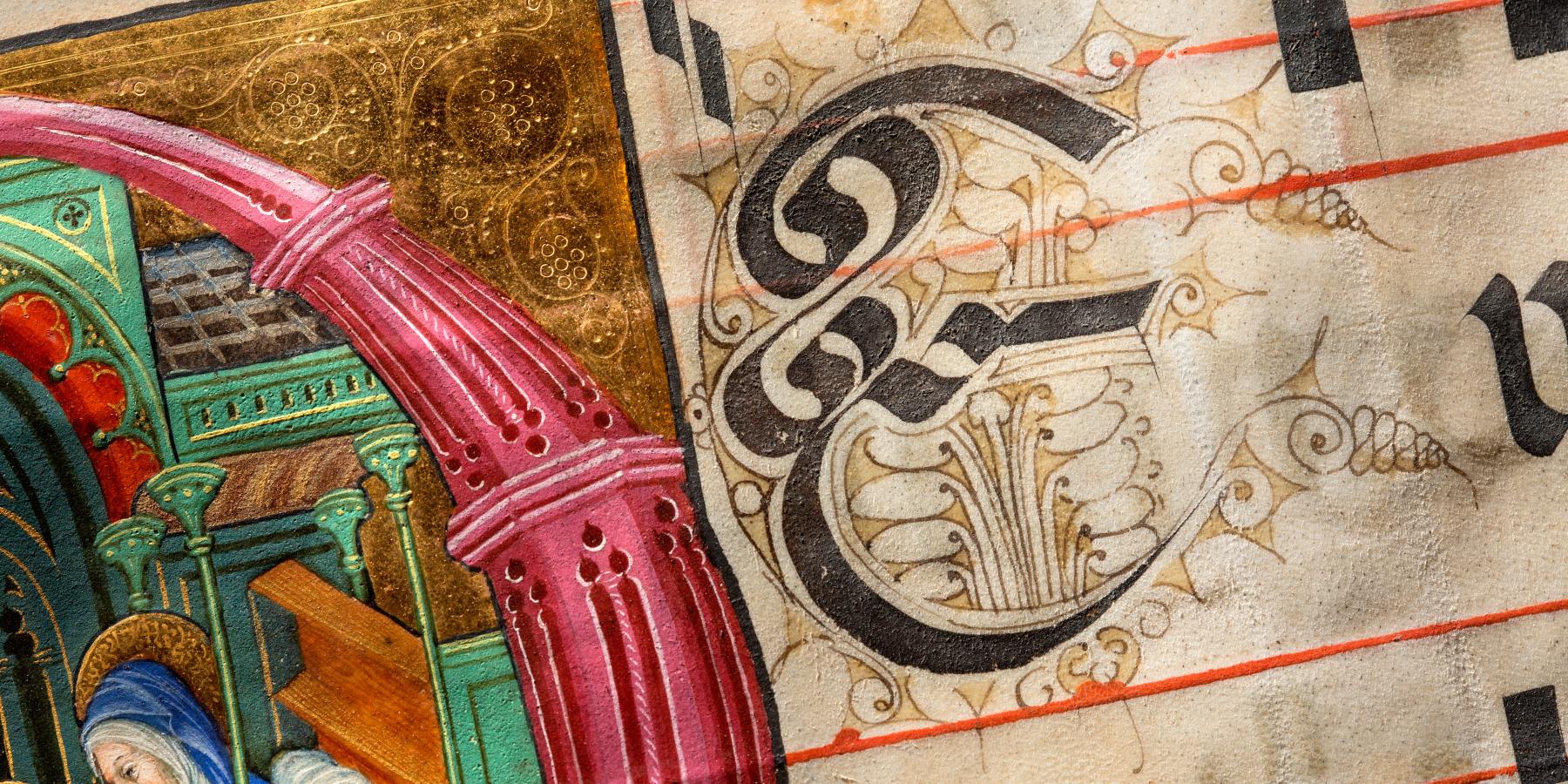
"Together with DNA and proteins, RNA forms the trinity of macromolecules (large and heavy molecules) essential to all forms of life on earth."
New Faces at the CHESS Users Office
We are excited to announce that Megan Adams and Samantha Zaharis have joined the CHESS User Office. Both Megan and Sam are User Program Managers, working together to manage the user experience.
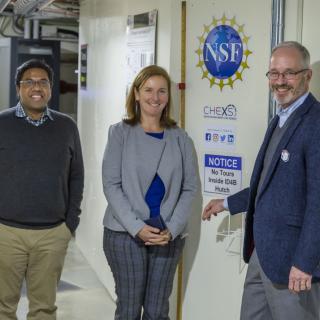
VIP Guests at CHESS
This past month, CHESS welcomed some very special guests to the new experimental hall.
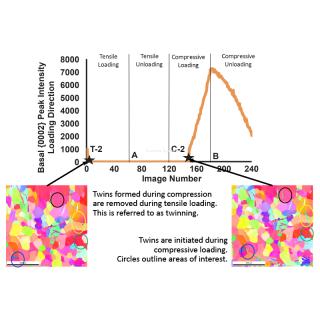
To Twin or Not to Twin: Micromechanical Response in Magnesium probed with High Energy X-Rays
"Reducing the weight of vehicles translates into energy conservation in transportation which is beneficial for economic and environmental reasons."
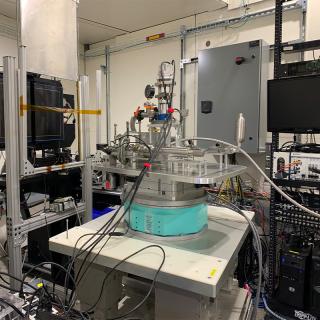
High-Energy Diffraction Microscopy under Pressure
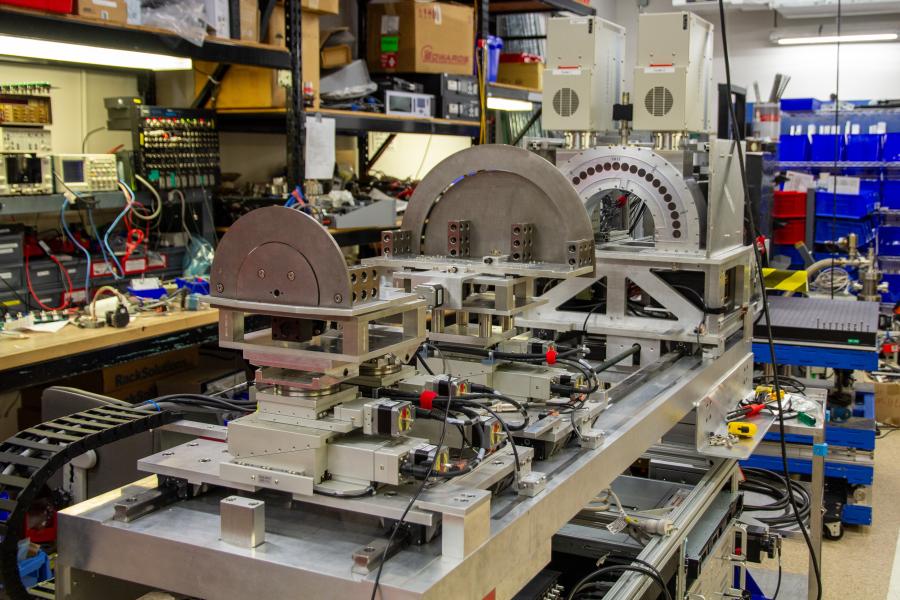
A triaxial pressure cell has been designed and constructed for use at the Forming and Shaping Technology (FAST) beamline, part of the NSF-funded Center for High Energy X-ray Sciences (CHEXS).
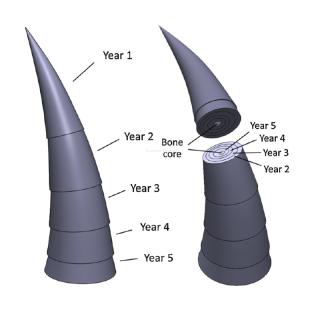
Lead uptake and distribution in horns from goats
"Spatial analysis of horns for lead accumulation may be useful as a qualitative marker of time-resolved exposures that may reflect specific periods of acute lead absorption."
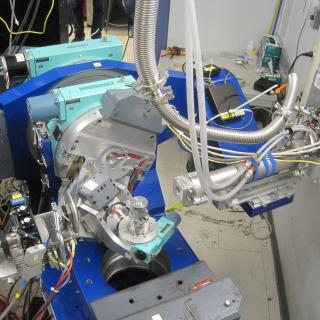
A Brilliant Relationship - Detector Development at Cornell
Through the CHESS-U upgrade, the X-rays produced at CHESS are now brighter than ever. Combining these brilliant X-rays with new and inventive detectors developed by the Cornell Detector Group will provide new possibilities for X-ray experiments that are not possible today.
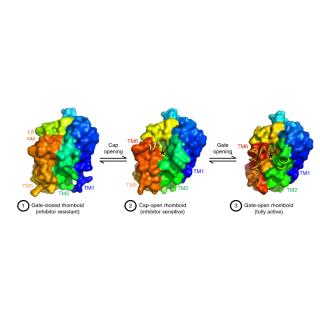
Step-by-Step: Revealing the mechanism of a protein-cleaving enzyme by crystallographic snapshots
"These unusual enzymes have been implicated in diseases ranging from Alzheimer’s disease to malaria, type II diabetes, cancer, Parkinson’s disease, cholera and tuberculosis."